


Get Free Consultation!
We are ready to answer right now! Sign up for a free consultation.
I consent to the processing of personal data and agree with the user agreement and privacy policy
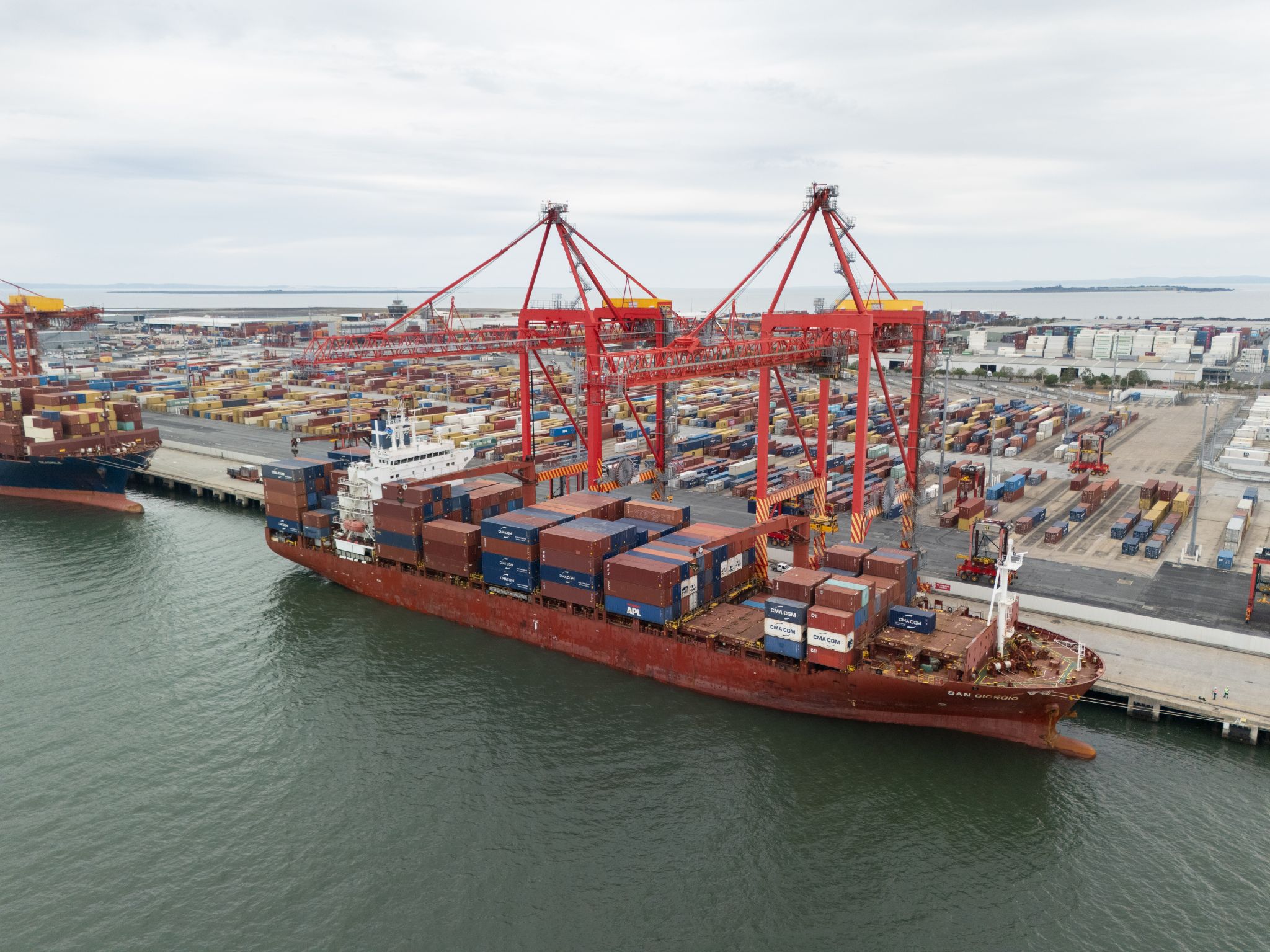
When goods are sold on FOB terms, disputes may arise when the buyer refuses to take delivery at the destination and the carrier claims unpaid freight, demurrage, detention, or storage charges.
The English case Evergreen Marine Corporation v Aldgate Warehouse (Wholesale) Ltd [2003] 2 Lloyd’s Rep 597provides an important lesson: FOB terms alone do not determine who is liable to the carrier.
In that case, Aldgate was the FOB buyer and notify party, but it was not the shipper named in the relevant bills of lading. Although Aldgate had a separate freight agreement with Evergreen, the court found that it had not become a party to the relevant contracts of carriage. Aldgate was therefore not liable for the freight and demurrage claimed under those bills of lading.
The case demonstrates that three contractual relationships must be distinguished:
Therefore, when an FOB buyer refuses to collect cargo, the seller should not automatically assume liability for destination freight or demurrage. Equally, the buyer cannot automatically avoid liability merely because another party is named as shipper.
The decisive question is not simply “Who is the FOB buyer?” or “Who is the shipper?” but “Who is legally bound by the relevant contract of carriage?”
This distinction can be critical when resolving international trade disputes involving Chinese exporters, foreign buyers, carriers, freight forwarders, and abandoned cargo.
